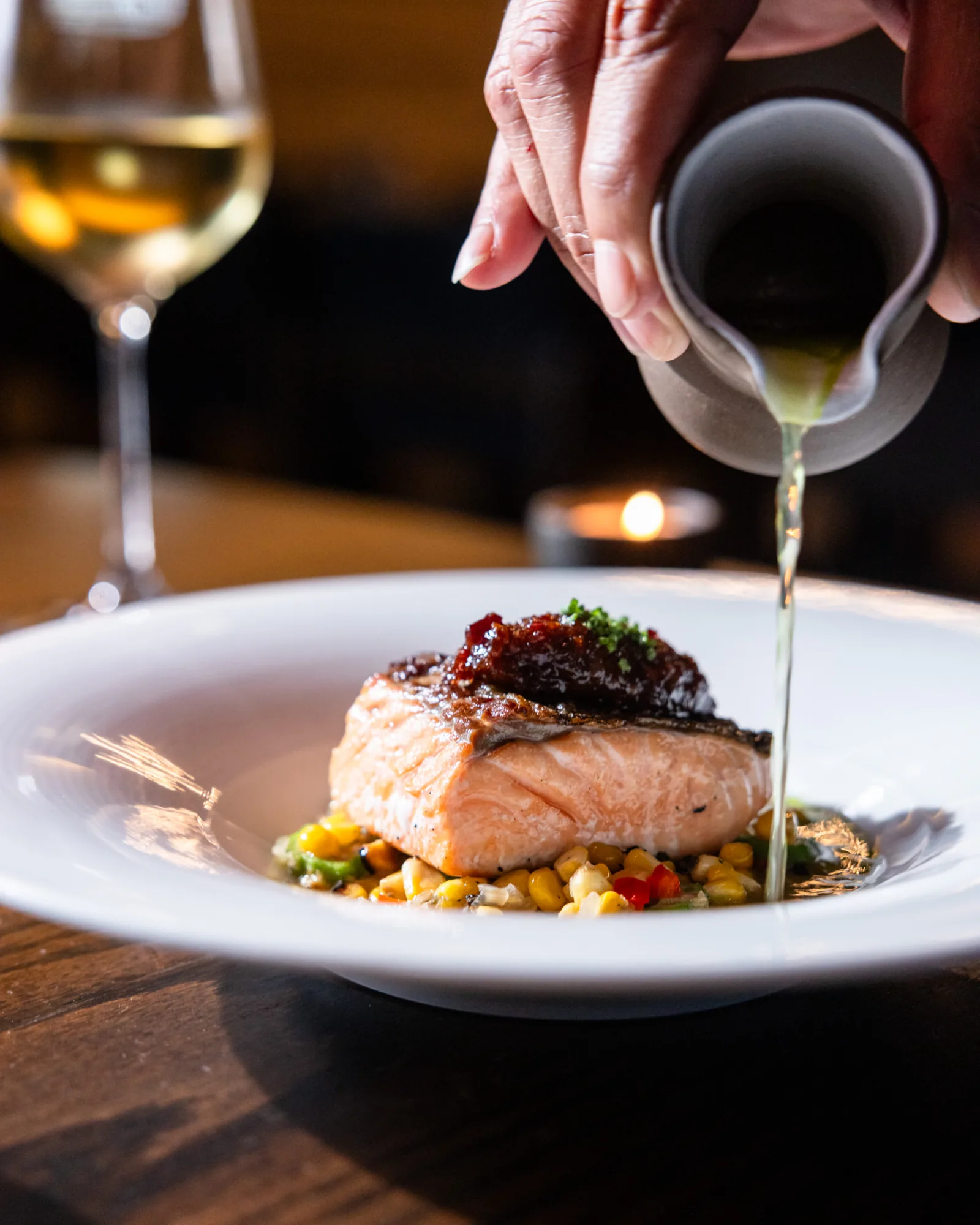
Pasta has been part of Juniper's menu since the restaurant opened on East Cesar Chavez in 2015. The cooking is rooted in a Northern Italian ethos and shaped by what Texas has to offer, and the pasta course is one of the easiest places on the menu to see those two ideas come together. For anyone curious about house-made pasta in Austin, it's also a good look at how the kitchen works.
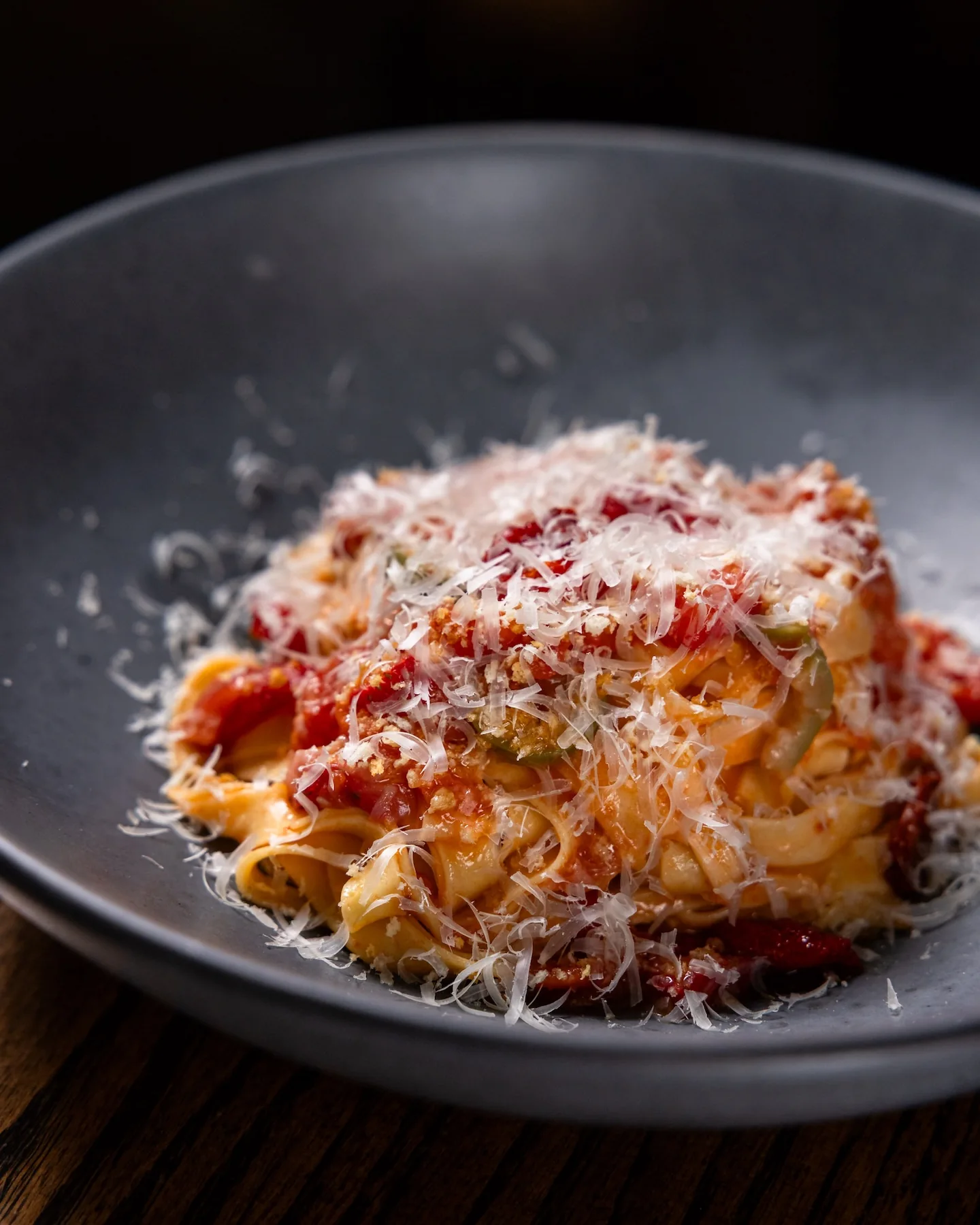
Every pasta at Juniper is made in-house by Executive Chef Sterling Ridings and the kitchen team. From the dough to the final shape, that process gives the team room to match each pasta to its sauce and adjust the lineup as ingredients come into season. Here's a closer look at what goes into that work and how to make the most of the pasta course on your next visit.
Why Juniper Makes Its Pasta In-House
Making pasta from scratch puts every decision about the finished dish in the kitchen's hands. The team chooses the dough, how thin each sheet is rolled, how a shape is cut or folded, and what goes inside a filled pasta. Each of those choices affects texture, cooking time, and how well the pasta holds a sauce.
Shape and sauce are closely linked in Italian cooking. Ridged tubes and deep folds hold onto rich sauces, filled pastas are often dressed simply so the filling can come through, and small cupped shapes gather pieces of seafood, vegetables, or breadcrumbs in each bite. Making pasta in-house lets the kitchen pick the shape that suits each sauce and fine-tune both over time.
Filled pastas call for extra care. The sheet needs to be thin enough to cook tender while still holding its filling, and each piece has to be sealed so nothing escapes in the pot. It's detailed, hands-on work, and it's one of the clearest examples of what making pasta in a restaurant kitchen involves.
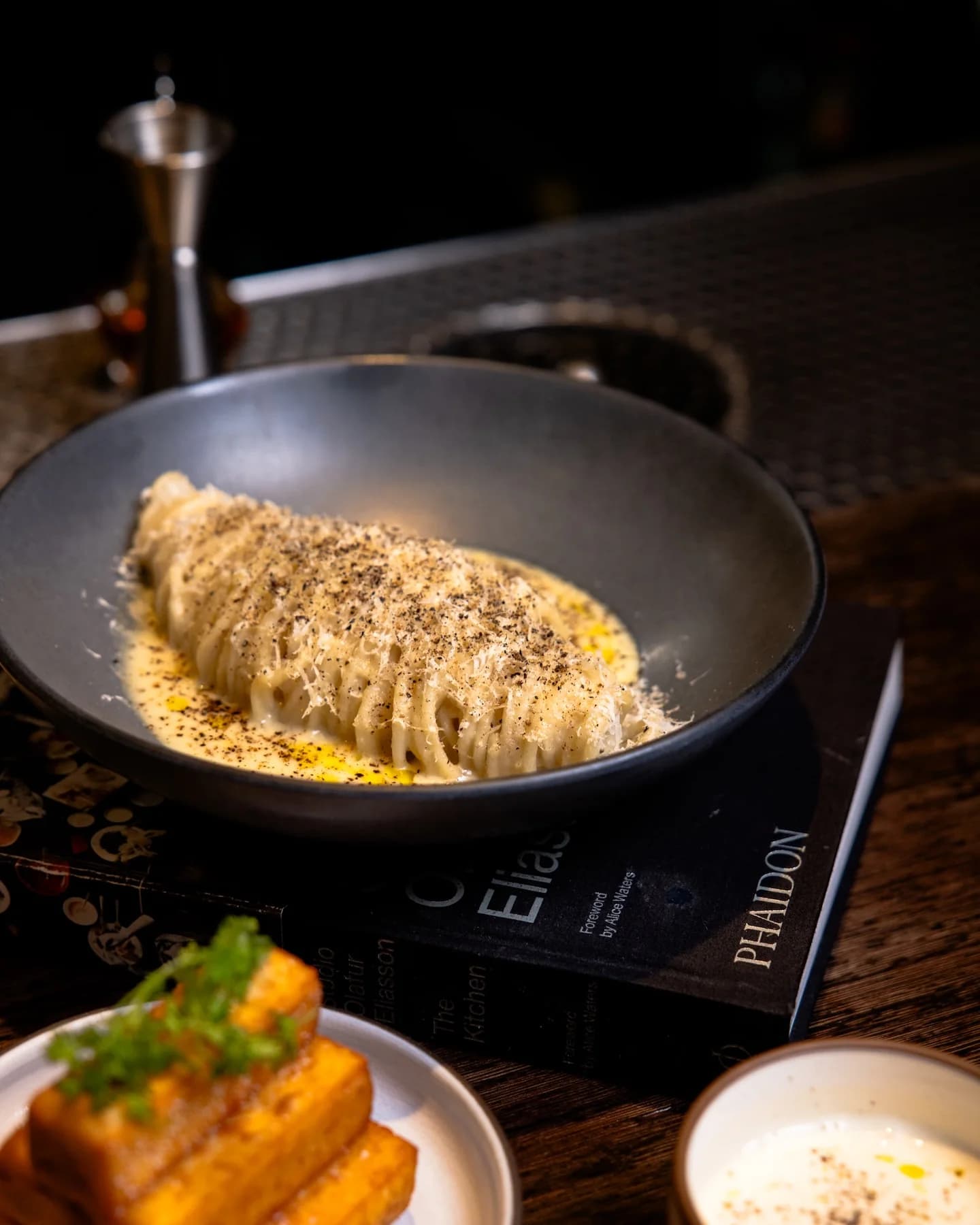
The finishing step matters too. In Italian kitchens, pasta is traditionally brought together with its sauce in the pan, often with a little of the starchy cooking water, so the sauce coats every piece evenly. A dish like cacio e pepe depends on that step to turn cheese, pepper, and water into a smooth, glossy sauce.
Making pasta in-house also keeps the menu flexible. Juniper's pasta selection shifts with the season, so the team can introduce a new shape, change a filling, or build a dish around an ingredient that has just come into its best stretch of the year.
A Walk Through the Current Pasta Lineup
Juniper's menu currently lists six pastas, each with its own shape, sauce, and set of ingredients. Since the selection changes with the season, here's what's being served right now:
- Cacio e Pepe: Pecorino romano, parmigiano, and toasted black pepper, finished with Arbequina olive oil. With only a handful of ingredients on the plate, the texture of the pasta and the balance of the cheeses carry the dish.
- Rigatoni: Ridged tubes in vodka sauce with Calabrian chilis and crispy garlic, topped with stracciatella. The ridges and hollow center help the sauce cling inside and out, and the stracciatella adds a cool, creamy finish against the heat of the chilis.
- Campanelle: A bell-shaped pasta with ruffled edges, served with cured San Marzano tomatoes, picholine olives, strawberry, baby heirloom tomatoes, chili, and parmigiano. The ruffles catch the bright notes of the tomato and olive.
- Lumache: Named for the snail shell they resemble, served with rock shrimp, vermouth butter, serrano, lemon, and focaccia breadcrumbs that settle into each curl.
- Radiatori: A compact shape with deep fins, named after old-fashioned radiators, paired with pork ragù, parmigiano, and fine herbs. The fins give the ragù plenty of surface to hold onto.
- Agnolotti dal Plin: A filled pasta from the Piedmont region, served here with braised beef tongue, mascarpone, glazed carrots, and horseradish.
Every dish on the full a la carte menu is labeled with dietary notes, so it's easy to see at a glance which pastas work for your table.
The Regional Traditions and Local Producers Behind the Pasta
Many of the shapes on Juniper's menu carry some history with them. Agnolotti dal plin is a good example. The name comes from the Piedmontese word for "pinch," a reference to how each small pocket of pasta is closed. It's a dish with deep roots in Northern Italy, and it fits comfortably on a menu built around that region's cooking.
The produce comes from closer to home. Chef Sterling works with local purveyors like Steelbow and Boggy Creek Farm, and what those farms have available helps guide what the kitchen cooks through the year. When a pasta dish changes, it's often because something new has come into season, which is why the pasta course looks a little different each time the weather turns.
The restaurant's founding, its space, and the people leading the kitchen today are all covered on Juniper's Our Story page.
Building a Meal Around the Pasta Course
Juniper's menu moves from antipasti to pasta to secondi, and the pasta course fits comfortably in the middle of a shared meal. The antipasti are built for sharing, so a table might start with the Yecora Rojo focaccia with whipped Lira Rossa ricotta and Calabrian honey or the Puffy Potato with fonduta di parmigiano and olio al tartufo. From there, a pasta or two can be split before secondi from the wood-fired grill, such as the Pacific halibut grilled over post oak or the prime eye of ribeye.
Pasta can also be the focus of the evening. Ordering a few different shapes for the table is a simple way to taste more of what the kitchen is making, and contorni like the patate crocanti or the blistered Jimmy Nardello peppers round out the table.
For wine, Juniper's list leans Italian, and your server can recommend a glass or bottle for whichever pastas you order. Aperitivo Hour runs Sunday through Thursday from 5 to 7 PM for guests who like to start the evening early.
Seeing the Kitchen Up Close at the Chef's Counter
Juniper's open kitchen sits in full view of the dining room, and the Chef's Counter places guests right in front of it. It's a close look at how the team works through a night of service, and a good seat for anyone who enjoys watching dishes come together.
The counter is also home to Juniper's tasting menu, a six-course, off-menu experience created by Sterling and his team for a small group of guests. Read more about the Chef's Counter tasting menu for details on the format, pairings, and reservations.
Common Questions About Pasta at Juniper
Which pastas work for vegetarian or pescatarian diners?
The Cacio e Pepe, Rigatoni, and Campanelle are marked vegetarian, and the Lumache, made with rock shrimp, is marked pescatarian.
How do I make a reservation?
Juniper takes reservations through OpenTable, and walk-ins are welcome. The dining room is open seven nights a week from 5 to 10 PM, and parties of eight or more can call (512) 220-9421 to book.
Where should I park?
Valet is available Thursday through Saturday at the front entrance. There's also an adjacent lot about 25 yards from the door, along with free parking on the surrounding streets.
Plan Your Next Pasta Dinner at Juniper
Whether you're sharing a few pastas with friends in the dining room, pairing one with a glass of Italian wine, or settling in at the Chef's Counter, the pasta course is a natural place to start at Juniper. Reserve a table on OpenTable and see what Sterling and the team are cooking this season.